
The body content of your post goes here. To edit this text, click on it and delete this default text and start typing your own or paste your own from a different source.
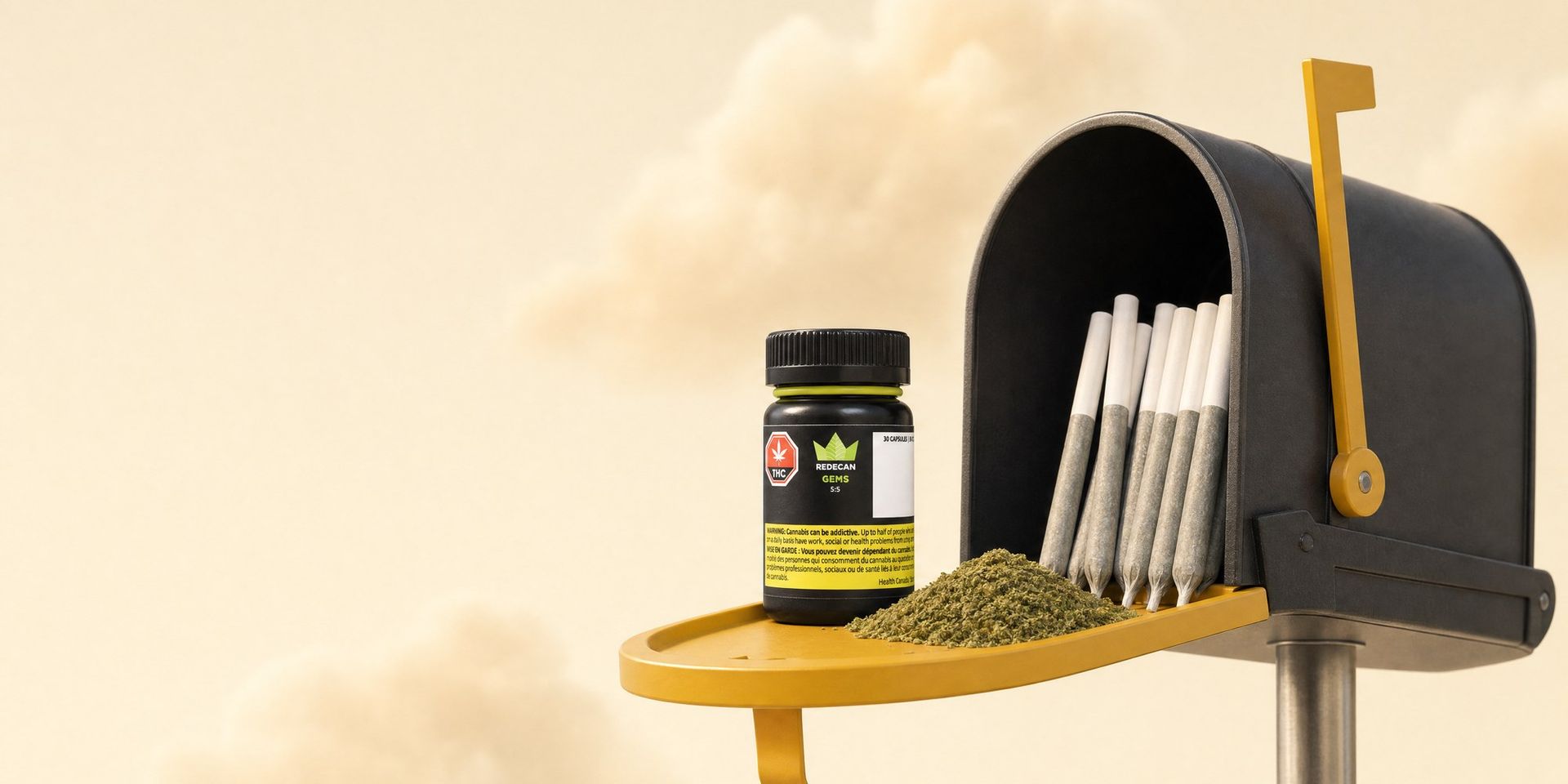
Three products are on special at Honeypot Smoke Shop from Monday, October 5 to Sunday, October 19. One is milled flower , one is capsules , and one is a pack of pre-rolls , so there is something here whether you smoke, vape dry herb, or prefer not to inhale at all. Prices below include tax, and all three are in stock. The special runs two weeks or until we sell out, whichever comes first, and the pre-rolls in particular are a small batch. Nugz Grind - Lemon Linx 7g Milled Flower This week $27.95. Regular $31.95. Lemon Linx is a sativa from Nugz Grind, a Quebec producer, and it comes already milled. Nugz blends two of their own strains, Early Lemon Berry and Cuban Linx, then mills the whole flower and seals it in a can with a scoop. The can holds 7 g at 25% THC and 0% CBD. If you roll your own or pack bowls, this skips the grinder and the mess. The label describes the aroma as zesty citrus with a savoury spice behind it. See more dried flower . Redecan - Gems 5:5 Blend 15 caps This week $14.00. Regular $18.00. Gems are soft gel capsules from Redecan, one of the larger Ontario producers, and the cannabis in them is grown in Niagara. Each capsule contains 5 mg THC and 5 mg CBD, which puts them in the balanced category rather than THC-forward. There are 15 in the bottle. The oil is CO2-extracted, and because every capsule is the same dose, this is the most predictable format we carry for anyone who wants to measure exactly what they are taking. No smoke, no smell, nothing to prepare. See more capsules . Truro - Pinners Pre-Roll 10x0.35g This week $20.95. Regular $24.50. Pinners come from Truro Cannabis in Nova Scotia. You get ten small pre-rolls at 0.35 g each, which is a short session size rather than a full joint. Truro rolls them from milled whole flower, not trim or shake, and the flower is indoor-grown, hang-dried, hand-trimmed and cured for 28 days before it is rolled. This batch tests at 29.2% THC and 0% CBD. Pinners are a rotating indica blend, so the strain mix changes from batch to batch. We have a limited number of packs, so this one is while supplies last. See more pre-rolls . How the specials work The prices above are what you pay at the till, tax included. They apply in store and on our online menu for pickup, and they run until closing on Sunday, October 19. If a product sells out before then, the special ends with it. Everything on special is in the On Sale section of the menu , where you can also check what is in stock before you come in. If you are deciding between the three, or want to compare them with something else on the shelf, ask at the counter. Our staff know the products and can tell you what is similar, what is stronger, and what is new this week. Earlier posts cover what has arrived recently, and our hours and directions are on the contact page. Honeypot Smoke Shop 6832 Drummond Rd, Unit 1, Niagara Falls, ON L2G 4P3 ( 905) 354-1661 Open to adults 19 and over. Please have ID ready.

What's New at Honeypot: This Week's Fresh Drops 🍯
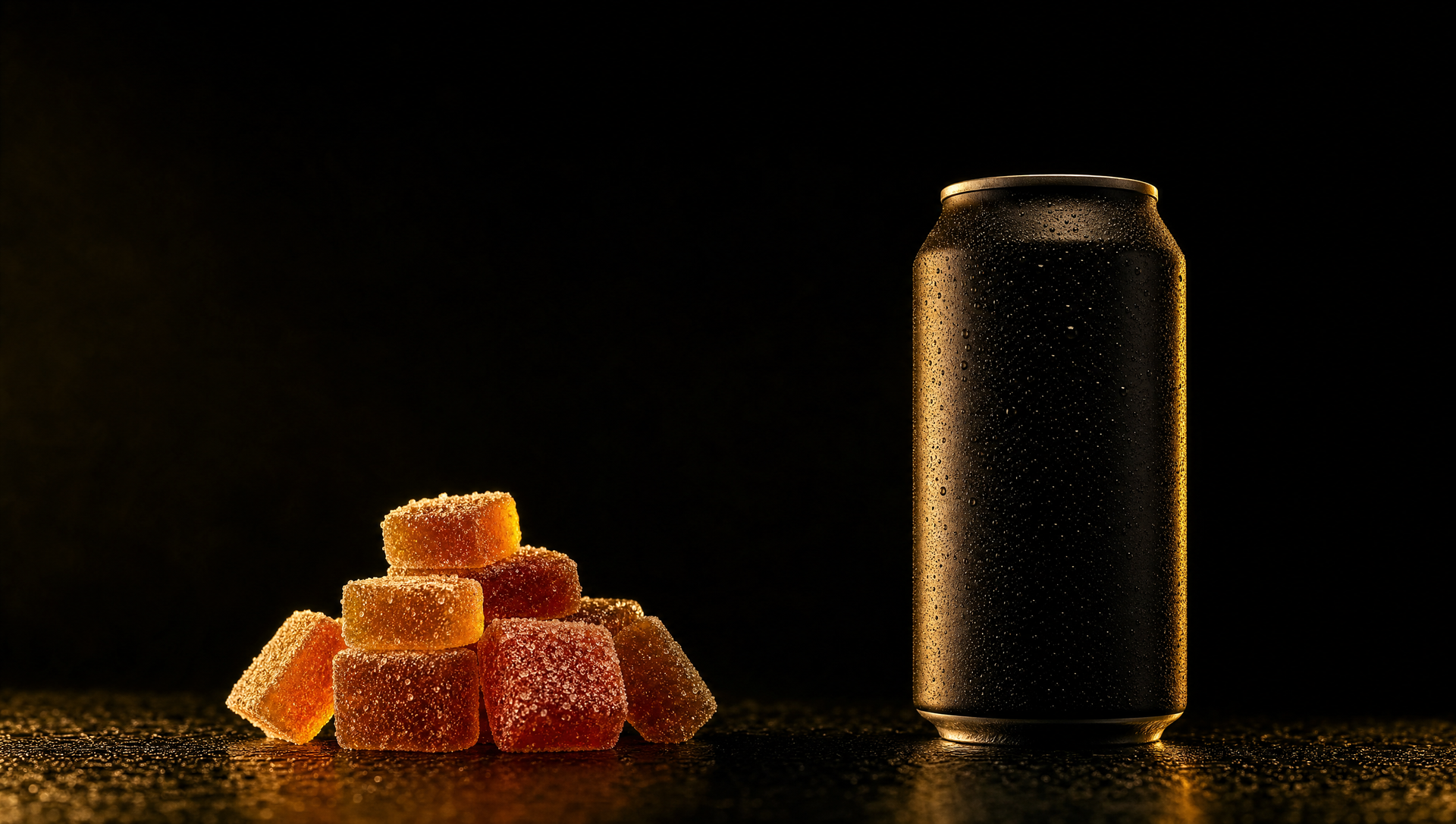
Edibles vs. Cannabis Drinks: What's the Difference?

What Are Terpenes? Why Your Cannabis Smells That Way

The Best Vapes at Honeypot, 2026

Walk into any cannabis store — including ours — and you'll see the menu sorted into three buckets: indica, sativa, and hybrid. These labels are the first thing most shoppers look at, and they're a useful shorthand. But what do they actually tell you? Here's a practical guide to reading them the smart way.

Learn how to store cannabis the right way — the four factors that affect freshness, common storage mistakes to avoid, and tips from Honeypot in Niagara Falls.
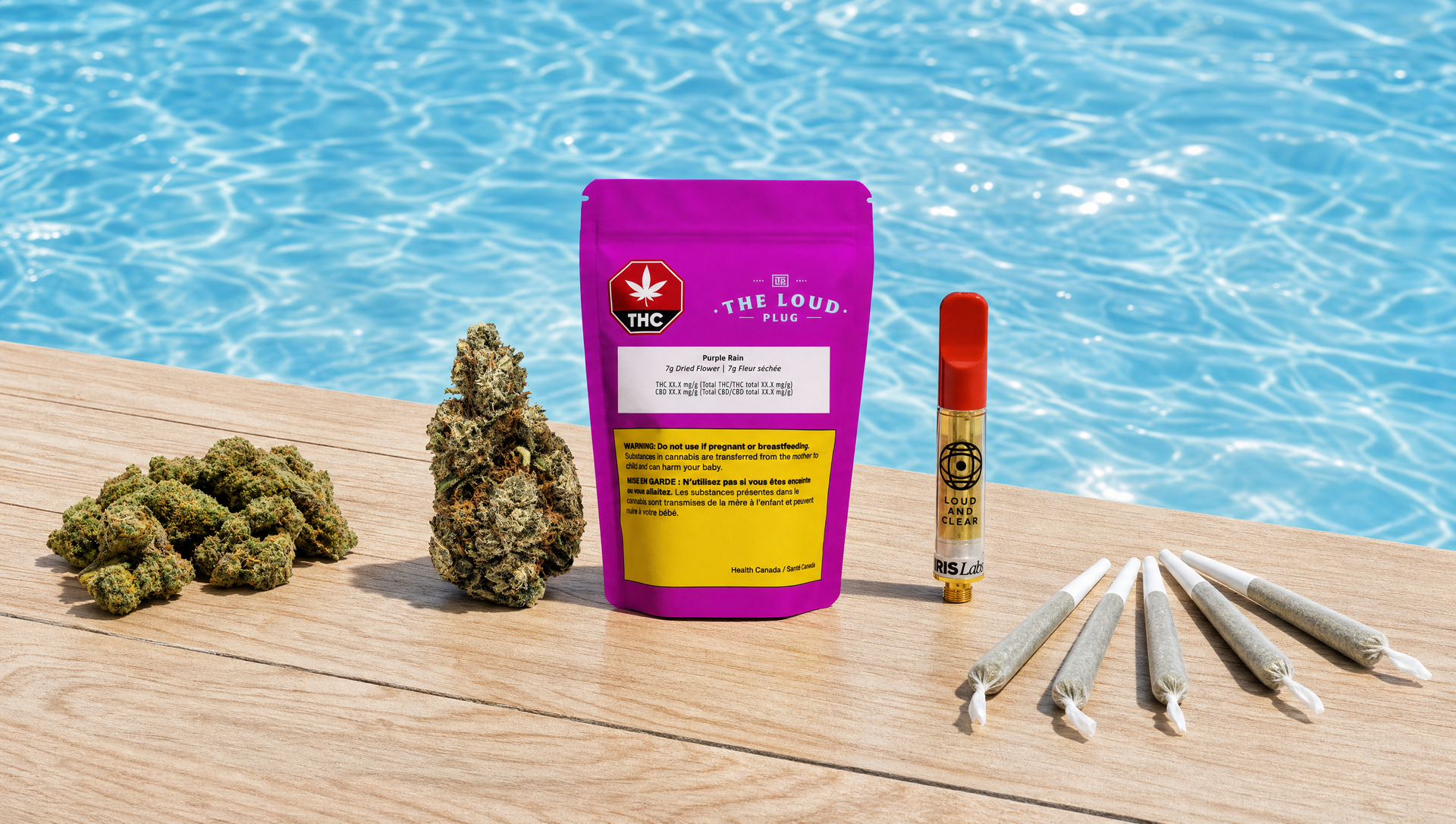
Five new products just landed at Honeypot in Niagara Falls: Zoda live resin, Scarborough Selects craft flower, hash-infused pre-rolls and more. See what's new. 19+
The body content of your post goes here. To edit this text, click on it and delete this default text and start typing your own or paste your own from a different source.